
Quick Answer
A multi-unit dental bridge replaces several missing teeth in a row using two or more anchor crowns to support the false teeth between them. At Northwest Family Dental in London, ON, a multi-unit dental bridge restores chewing, protects neighbouring teeth, and rebuilds your smile in just a few visits. It is a proven, non-surgical option for larger gaps.
Patients often walk into our London office with the same worry: “Can one bridge really replace more than one missing tooth?” The short answer is yes. A multi-unit dental bridge in London, ON spans a wider gap by linking several artificial teeth to sturdy anchor points on either side. Still, plenty of myths cloud this treatment, so let us clear the air with straight answers from the team at Northwest Family Dental.
What Is a Multi-Unit Dental Bridge, Really?
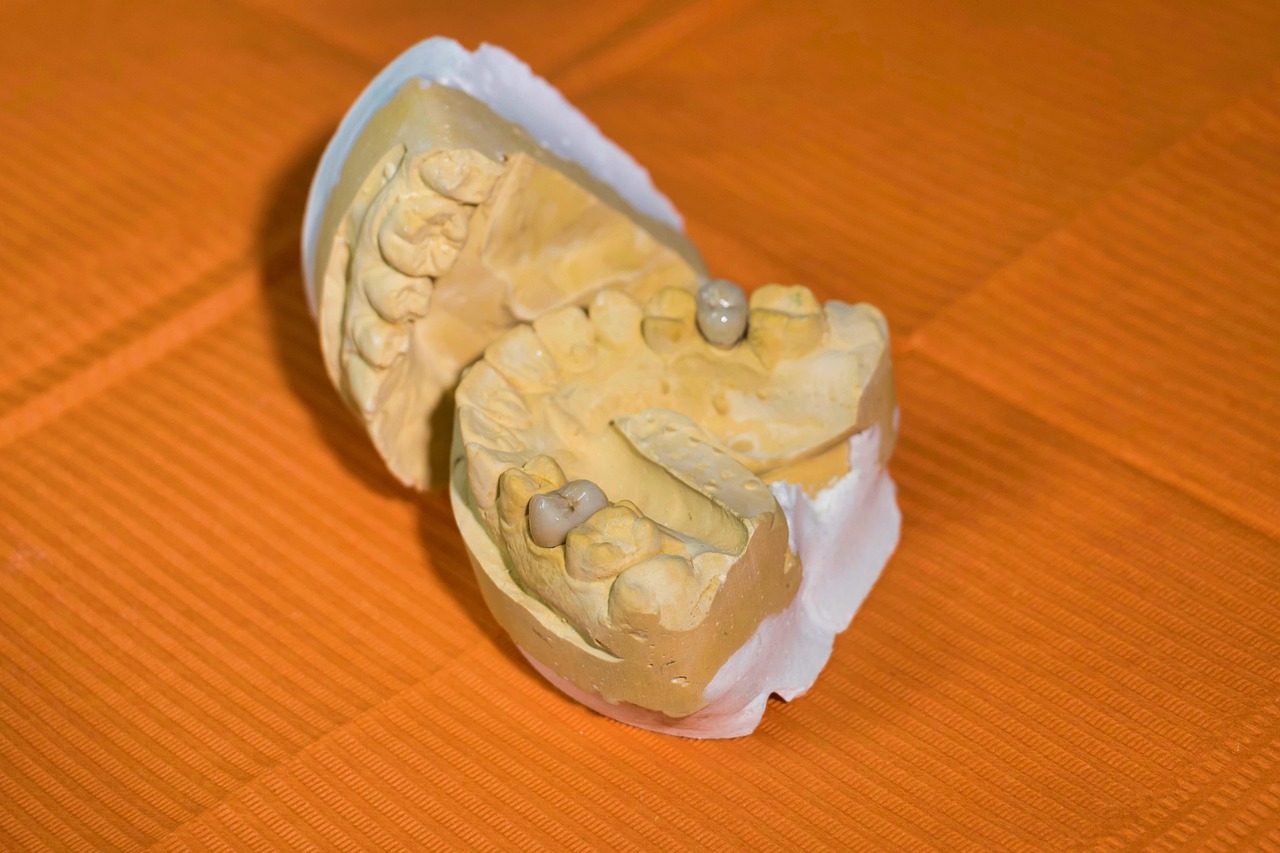
A multi-unit bridge fills a gap left by two, three, or more consecutive missing teeth. Specifically, the dentist places crowns on the healthy teeth flanking the gap, then connects the replacement teeth (called pontics) between them. Consequently, the whole restoration works as one solid unit.
Many people assume a bridge only handles a single tooth. However, that is exactly the misconception we hear most. Additionally, larger spans can also be anchored by dental implants rather than natural teeth, which spares your remaining enamel. Our London clinic offers both crowns, bridges, and implants under one roof, so we tailor the approach to your mouth.
Myth: “A bridge damages the healthy teeth next to it.”
This concern is understandable, yet it deserves nuance. To anchor a traditional bridge, we do reshape the neighbouring teeth slightly. However, those teeth then gain protective crown coverage, which can actually strengthen worn or previously filled teeth. Furthermore, when natural anchors are not ideal, we recommend an implant-supported design instead. That way, no adjacent tooth is touched at all.
How Long Does a Multi-Unit Dental Bridge Last?
Most well-maintained bridges last between 10 and 15 years, and many endure far longer. Longevity depends heavily on your daily oral hygiene and regular checkups. Consequently, we coach every patient on cleaning beneath the pontics with floss threaders or a water flosser.
According to the Canadian Dental Association, consistent home care and professional cleanings are the biggest factors in how long any restoration survives. Therefore, we pair every bridge with a personalized maintenance plan. Additionally, addressing grinding early with a night guard protects your investment.
Busting the “Bridges Look Fake” Myth
Older bridges earned a reputation for looking bulky or grey at the gumline. Modern materials have changed that completely. Specifically, we use tooth-coloured porcelain and ceramic that mimic natural enamel, right down to the way light passes through. As a result, most people cannot tell which teeth are restored. Furthermore, our digital imaging maps your bite precisely, so the finished bridge feels natural when you speak and chew.
Multi-Unit Bridge vs. Implants: Which Is Right for You?
Both options restore missing teeth beautifully, yet they suit different situations. A traditional multi-unit dental bridge relies on neighbouring teeth and requires no surgery, so treatment finishes faster. However, dental implants replace the tooth root itself and preserve jawbone over time.
During your consultation, we assess bone health, gum condition, and your budget. Additionally, sedation options including nitrous oxide and oral sedation are available for anxious patients. Ultimately, the right choice depends on your unique anatomy, and we walk you through every path clearly. You can review our full range of restorative treatments on our services page.
Does Getting a Bridge Hurt?
This is the question we hear most from nervous patients, and the honest answer is reassuring. We numb the area thoroughly, so the procedure itself is comfortable. Afterward, mild sensitivity may last a day or two, which typically responds well to over-the-counter relief. Furthermore, following guidance from the Royal College of Dental Surgeons of Ontario, we follow strict infection-control and comfort protocols at every appointment.
Caring for Your Bridge in London, ON
Good habits keep a multi-unit dental bridge healthy for years. Brush twice daily, and clean carefully around and under the restoration. Additionally, schedule professional cleanings so we can monitor the anchor teeth and surrounding gums. Consequently, small issues get caught before they threaten the bridge.
Periodontal health matters enormously here. Healthy gums and bone form the foundation that holds your restoration in place. Therefore, we screen for gum disease at every visit and provide scaling and root planing when needed. This attention to detail keeps both your restorative and preventive care working together.
Frequently Asked Questions
How many teeth can a multi-unit bridge replace?
A multi-unit bridge typically replaces two to four teeth in a row. Larger spans are possible with additional anchors or implant support. During your exam, we confirm what your specific gap and jaw can safely hold.
Can I eat normally with a dental bridge?
Yes, once healing is complete, you can enjoy most foods again. However, we suggest easing into very hard or sticky items at first. Consequently, most patients quickly return to comfortable, confident chewing.
Is a multi-unit dental bridge covered by insurance?
Many dental plans cover a portion of bridge treatment, and coverage varies by policy. Our London team provides transparent estimates and also supports the Canadian Dental Care Plan. Additionally, we help you understand your benefits before treatment begins.
How many appointments does a bridge take?
A traditional bridge usually requires two visits over a few weeks. At the first appointment, we prepare the teeth and take impressions. Then we fit and bond the final bridge at the second visit.
Ready to Restore Your Smile?
If missing teeth are affecting your bite or confidence, our London team is here to help. We answer every question honestly and build a plan around your goals. Contact Northwest Family Dental through our contact page to book your consultation today.