
Quick Answer
The core dental crown benefits in London, ON include protecting a weakened tooth, restoring full chewing strength, and sealing a repair that can last well over a decade. At Northwest Family Dental on Hyde Park Rd., recovery is usually mild and brief, and most patients return to normal eating within a day or two. Yes, for a cracked, heavily filled, or root-treated tooth, a crown is almost always worth it.
A crown does something a filling cannot: it wraps the entire visible tooth like a custom helmet. That single design choice drives most of the dental crown benefits in London, ON that patients actually feel, from steadier biting to fewer midnight toothaches. Furthermore, knowing exactly what each appointment involves takes the guesswork out of the decision. This guide walks through the clinical steps, realistic recovery expectations, and how a crown stacks up against other options.
What Is a Dental Crown, and Who Needs One?
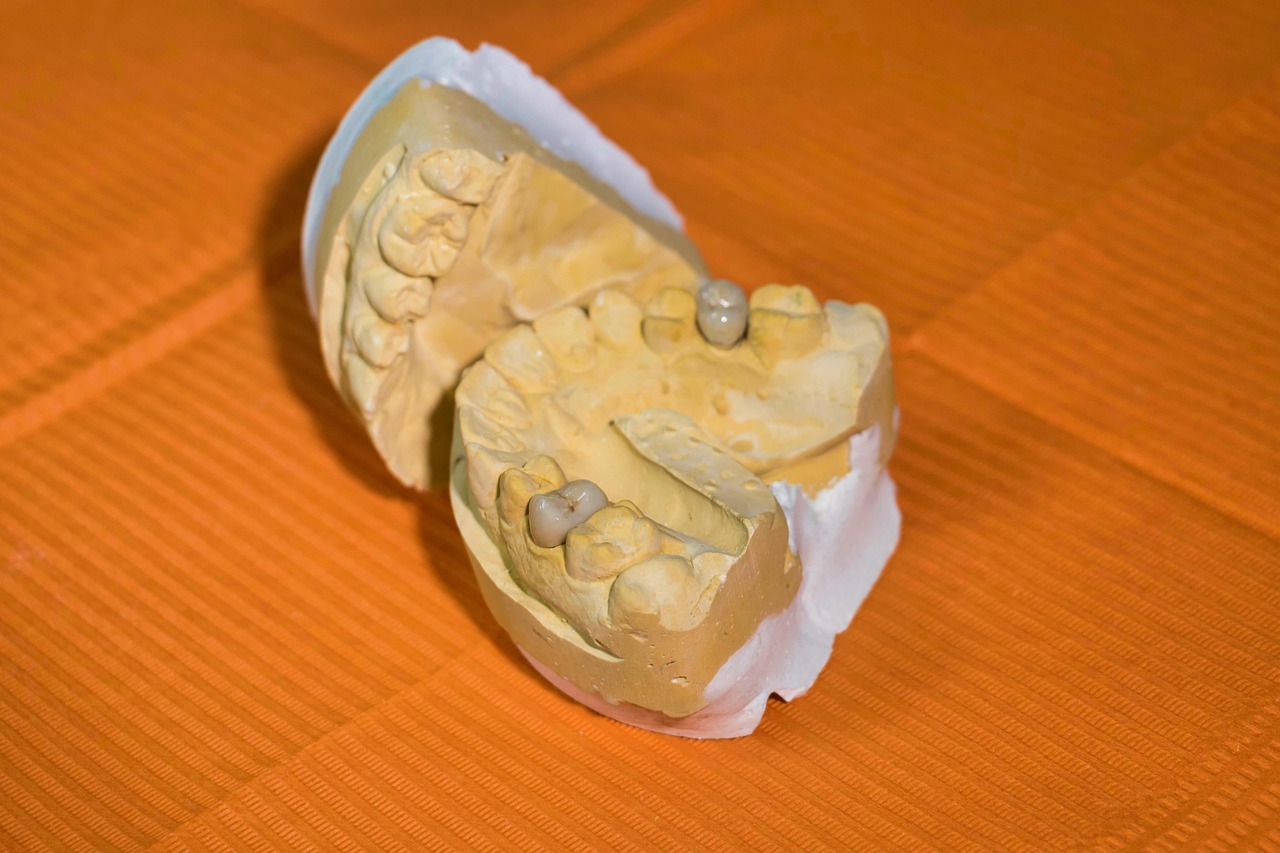
A dental crown is a tooth-shaped cap that covers a damaged tooth to restore its shape, size, and strength. According to the Canadian Dental Association, crowns are used when a tooth is broken, severely worn, or weakened after a large filling or root canal. Consequently, they suit a wide range of patients.
You may be a good candidate if you have a cracked tooth, a tooth with extensive decay, or one that recently received root canal therapy. Additionally, crowns anchor bridges and finish dental implants. The team at Northwest Family Dental assesses each case individually, since the right restoration depends on how much healthy structure remains.
The Core Benefits of Dental Crowns
The benefits of dental crowns start with protection. Specifically, a crown holds a fragile tooth together so it can handle the force of daily chewing. Moreover, it restores a natural bite, which prevents neighbouring teeth from shifting or overworking.
A crown also seals the tooth against bacteria, which supports long-term periodontal health. For root-treated teeth, this coverage matters enormously. A 2022 narrative review in the International Endodontic Journal emphasized that the restorative and endodontic aspects of managing root filled teeth are interdependent and fundamental to the best long-term survival. In other words, the crown you place after a root canal is not optional polish; it is part of the cure. Finally, modern ceramic crowns blend with surrounding enamel, so the result looks like your own tooth.
Step-by-Step: What the Crown Procedure Involves
Most crowns take two visits, though the process is methodical and comfortable. First, your dentist numbs the area and gently reshapes the tooth to make room for the cap. Next, a digital scan or impression captures the precise shape. Afterward, a temporary crown protects the tooth while the custom restoration is crafted.
At the second visit, the dentist removes the temporary, checks the fit, and bonds the permanent crown in place. Precision matters here, and fine detail work benefits from magnification. A 2025 review in the World Journal of Methodology reported that magnification devices enhance the quality, longevity, and outcome of clinical work. Consequently, careful technique directly affects how long your crown lasts.
Recovery Expectations After Your Crown
Recovery is typically straightforward, and that reassurance is one of the quieter dental crown benefits. For a day or two, you might notice mild sensitivity to hot or cold, especially around the gumline. However, this usually fades quickly. Over-the-counter pain relief is rarely needed beyond the first evening.
In the meantime, chew on the opposite side until any tenderness settles. Additionally, keep the area clean with gentle brushing and flossing, since healthy gums help the crown seat comfortably. If your bite feels high or uneven after the freezing wears off, call us. A quick adjustment solves it, and the clinic’s same-day responsiveness means you will not wait long. Should a crown-covered tooth ever flare up, our root canal treatment team handles the follow-up care under one roof.
How Crowns Compare With Other Restorations
A crown is not always the only answer, so comparing options helps you decide. A filling restores small cavities well, but it cannot reinforce a tooth that has lost significant structure. For moderate damage, inlays and onlays preserve more natural tooth. For a tooth that is largely destroyed, however, a crown or similar full-coverage option usually wins on durability.
Research supports this spectrum of choices. A 2020 systematic review in the Journal of Prosthetic Dentistry found that endocrowns can be a reliable alternative to post-retained restorations for extensively damaged root-treated teeth. Therefore, your dentist weighs how much tooth remains, your bite forces, and your long-term goals before recommending a specific design. You can review the full range of options on our crowns and bridges page.
Is a Dental Crown Worth It?
For the right tooth, a crown is absolutely worth it. It prevents a small crack from becoming a lost tooth, which would otherwise require an implant or bridge later. Consequently, a crown often saves money and tooth structure over time. The Ontario Dental Association encourages patients to ask for a written treatment estimate, so you understand the investment before you begin.
Frequently Asked Questions
How long does a dental crown last?
With good care, many crowns last ten to fifteen years or longer. Furthermore, daily brushing, flossing, and regular checkups at Northwest Family Dental protect both the crown and the tooth underneath it.
Does getting a crown hurt?
No. The tooth is fully numbed during preparation, so the procedure itself is comfortable. Afterward, mild sensitivity may linger briefly, but it generally settles within a day or two.
Can I eat normally after my crown is placed?
Yes, usually within a day. Initially, favour softer foods and chew on the opposite side. Once any tenderness fades, your crown handles everyday eating just like a natural tooth.
What happens if I delay getting a recommended crown?
A weakened tooth can crack further or become infected. Consequently, delaying treatment often turns a simple crown into a more complex repair or an extraction.
Book Your Crown Consultation in London, ON
If a damaged tooth has you chewing on one side or wincing at cold drinks, let us take a look. Northwest Family Dental offers evening hours on Mondays and Wednesdays plus two Saturdays a month, so busy families can find a convenient time. Contact us today to schedule your consultation at 1600 Hyde Park Rd.
Sources & References
- Canadian Dental Association, “Crowns”
- Ontario Dental Association, “Dental Costs Explained”
- The restoration of root filled teeth (International Endodontic Journal, 2022)
- Magnification: The game changer in dentistry (World Journal of Methodology, 2025)
- Endocrowns: A systematic review (Journal of Prosthetic Dentistry, 2020)