Loose dentures, denture adhesive that never quite works, and the fear of a plate shifting mid-sentence drive a lot of myths. Many patients considering implant-supported dentures in London, ON arrive with half-truths they heard from a neighbour or a forum. Consequently, this guide answers the real questions and clears up the misconceptions, using evidence and the hands-on experience of the team at Northwest Family Dental on Hyde Park Road.
What Are Implant-Supported Dentures, Really?
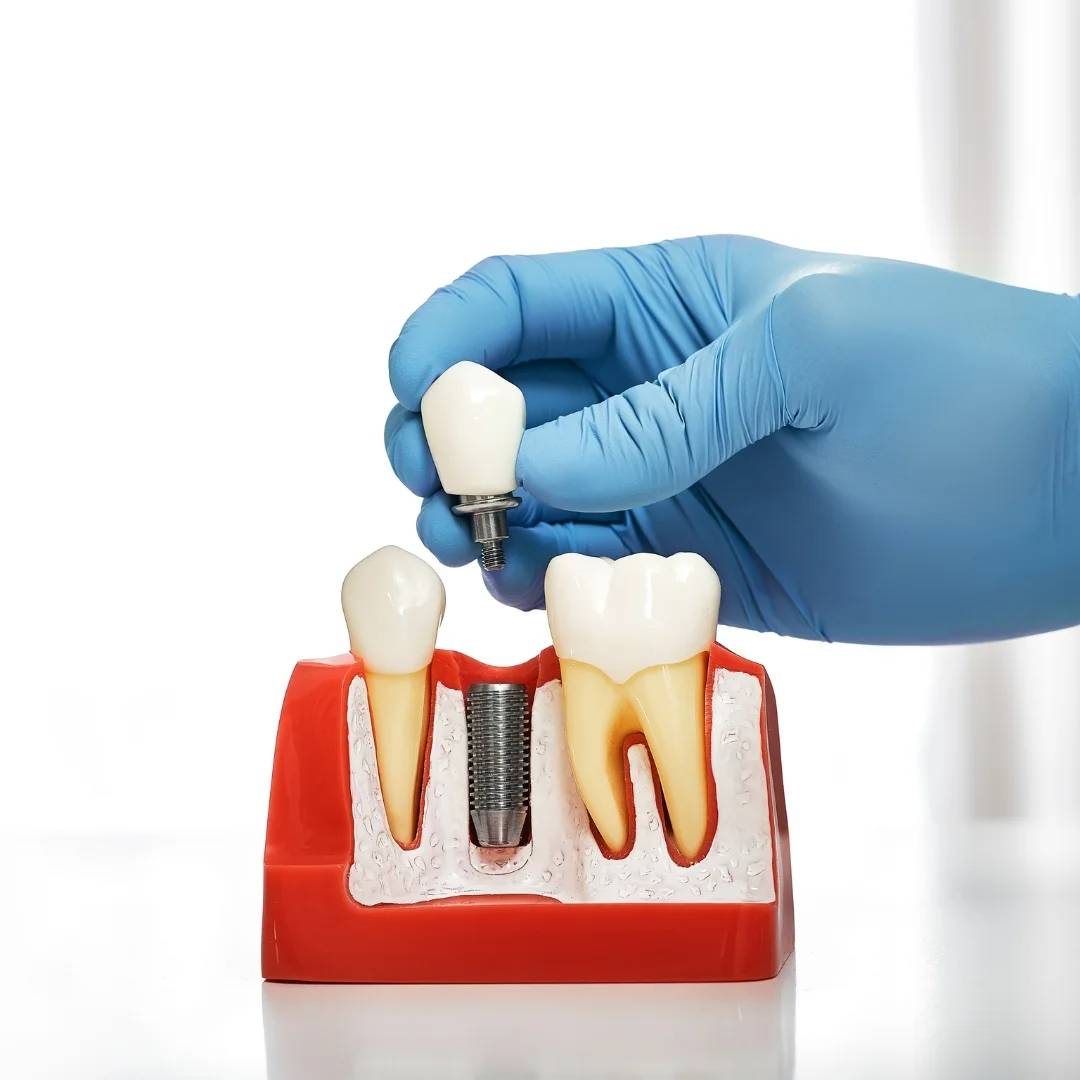
An implant-supported denture is a full or partial denture that snaps onto dental implants placed in the jaw. Specifically, the implants act like roots, while the denture clips securely on top. Therefore, the appliance stays stable when you chew, laugh, or speak.
According to the Canadian Dental Association, implants can anchor a denture so it no longer relies solely on suction or paste. Furthermore, this stability is the single biggest reason patients make the switch. You can read more about the procedure on our implant-supported dentures page.
Myth 1: “You Need an Implant for Every Tooth”
This is the most common misconception, and it is false. A lower implant denture often uses just two to four implants to hold a full arch. Additionally, an upper denture may use four to six, depending on bone quality.
A systematic review in the Journal of Prosthodontic Research compared conventional complete dentures to implant-retained overdentures and reported better satisfaction and quality of life with the implant option. Consequently, a small number of well-placed implants can transform the stability of an entire arch.
Myth 2: “They Are Only for Seniors”
Tooth loss is not exclusively an age issue. However, many people assume these dentures suit only the elderly. In reality, gum disease, trauma, or failed dental work can leave younger adults without teeth too.
The Ontario Dental Association notes that tooth loss has many causes across adulthood. Therefore, candidacy depends on bone health and gum condition, not a birthday. Our dentists assess each patient individually before recommending a plan.
Myth 3: “Regular Dentures Are Just as Good”
Comfort and function tell a different story. Specifically, conventional dentures sit on the gums and can rock, while implant-supported versions lock onto a rigid foundation. As a result, chewing power improves dramatically.
There is another hidden benefit many patients never hear about. When teeth are lost, the jawbone gradually shrinks because it no longer receives stimulation. However, implants transmit chewing forces into the bone, which helps slow that loss. This is one reason we sometimes pair treatment with bone grafting when extra support is needed.
Myth 4: “The Procedure Is Unbearably Painful”
Modern techniques and sedation make the experience far gentler than people fear. Additionally, Northwest Family Dental offers sedation options in-house, so anxious patients stay relaxed throughout. The surgical site is fully numbed, and most patients compare recovery to a routine extraction.
A review in Periodontology 2000 examined implant-assisted complete prostheses and discussed their advantages, maintenance, and cost-effectiveness for edentulous patients. Consequently, the evidence base supports these restorations as a predictable, well-studied treatment rather than an experimental one.
How the Process Works at Northwest Family Dental
First, the team evaluates your jawbone with digital imaging and reviews your medical history. Next, they place the implants and allow healing time so the bone can integrate. Finally, they attach your custom denture once the foundation is solid.
Because every specialty service is offered under one roof, you avoid referrals and extra travel for surgery, sedation, or follow-up. Furthermore, evening and Saturday hours make appointments easier for busy families. You can meet the people who will care for you on our team page.
Caring for Your New Smile
Implant dentures still need daily attention. Specifically, clean the denture, the implant attachments, and your gums every day. Additionally, keep regular checkups so your dentist can inspect the fit and your periodontal health. Good oral hygiene protects your investment for years.
Frequently Asked Questions
How many implants do I need for a full denture?
Most lower dentures use two to four implants, while upper dentures often use four to six. However, the exact number depends on your bone volume and the type of denture chosen.
Will my implant-supported denture ever come out?
Removable overdentures clip on and off for cleaning, while fixed versions stay in place and only your dentist removes them. Either way, they will not slip during daily use.
Am I too old for implant-supported dentures?
Age alone rarely disqualifies anyone. Instead, your dentist evaluates bone density, gum health, and overall wellness to confirm you are a good candidate.
How long do implant-supported dentures last?
The implants themselves can last decades with good care, though the denture portion may need refurbishment over time. Additionally, regular checkups help catch wear early.
Book a Consultation in London, ON
If loose dentures are holding you back, a stable, implant-anchored solution may be the answer. Therefore, call Northwest Family Dental at 1600 Hyde Park Road or use our contact page to arrange a consultation. The team will answer your questions and build a plan around your needs.