
Quick Answer
Crowns, bridges, and root canal therapy in London, ON are restorative treatments that save damaged teeth, replace missing ones, and stop pain at its source. Contrary to popular belief, a modern root canal is comfortable and often finished in one or two visits. At Northwest Family Dental, these procedures are tailored to protect your natural smile whenever possible.
Few dental topics attract more misinformation than crowns, bridges, and root canal therapy in London, ON. Patients often arrive convinced that a root canal will be agonizing or that a crown is purely cosmetic. Neither idea holds up. Below, we answer the questions patients at Northwest Family Dental actually ask, and we retire a few stubborn myths along the way.
Do Root Canals Really Hurt? The Biggest Myth, Busted
No, a modern root canal does not cause pain; it relieves it. The discomfort people remember usually comes from the infected tooth itself, not the treatment. Root canal therapy removes the inflamed pulp inside the tooth, which is precisely what was causing the throbbing ache.
According to the Canadian Dental Association, endodontic treatment is designed to save a tooth that would otherwise be lost. Furthermore, local anesthetic keeps the area fully numb throughout. For anxious patients, our London practice also offers sedation options, so you stay relaxed from start to finish.
How Long Does the Procedure Take?
Most root canals are completed in one or two appointments. Consequently, you can often return to your normal routine the same day. Afterward, we typically recommend a crown to protect the treated tooth from fracture.
What Exactly Is a Dental Crown, and When Do You Need One?
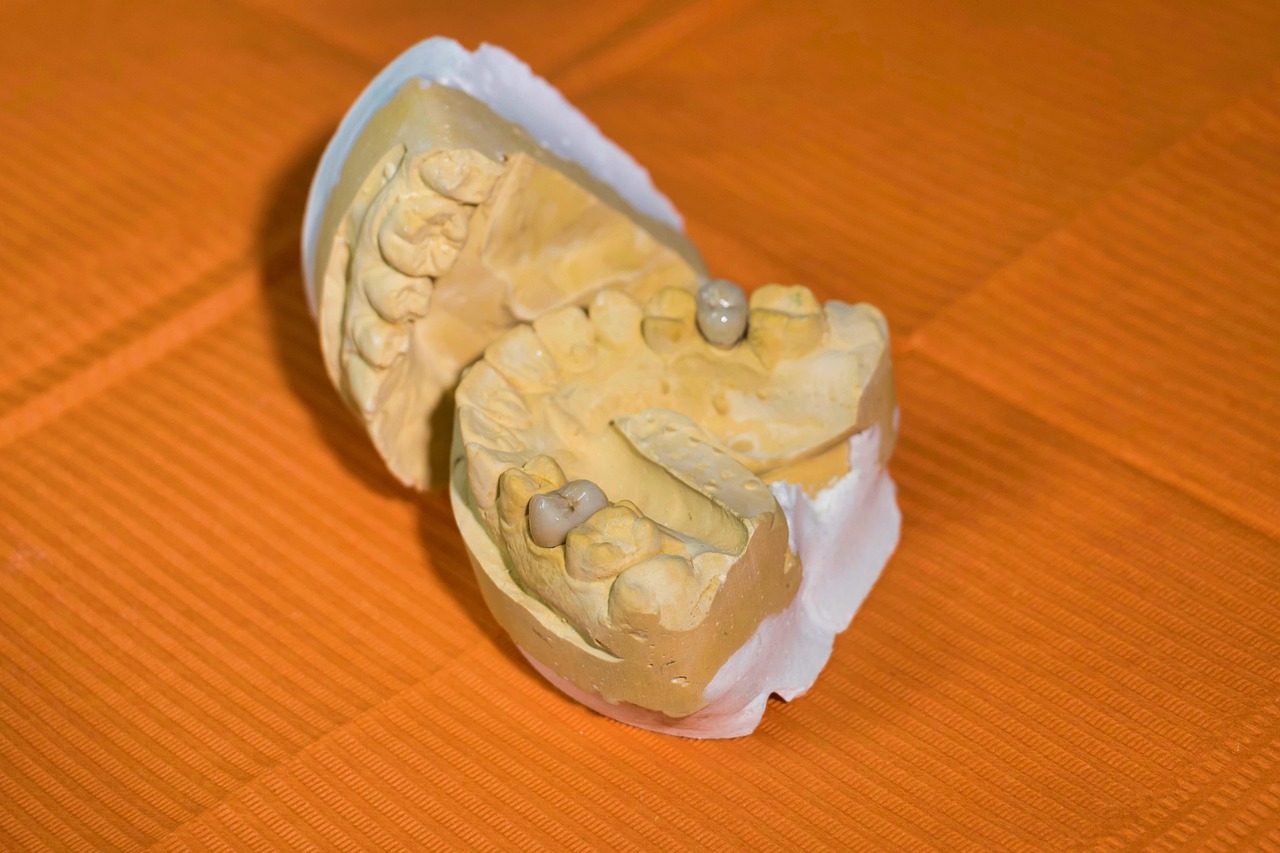
A dental crown is a custom cap that covers a weakened tooth to restore its shape, strength, and function. Many patients assume crowns are cosmetic, yet they are primarily protective. Specifically, we recommend a crown after root canal therapy, for large fillings, or for cracked and heavily worn teeth.
Modern crowns are colour-matched to blend naturally with your surrounding teeth. Additionally, they safeguard the tooth structure that remains, which helps you keep your natural tooth for years longer. You can review the full range of restorative options on our services page.
Crowns vs. Bridges: Clearing Up the Confusion
A crown restores one damaged tooth, whereas a bridge replaces one or more missing teeth. This distinction confuses many patients. A bridge literally “bridges” the gap by anchoring replacement teeth to crowns placed on the neighbouring teeth.
Consequently, bridges do more than fill a space cosmetically. They restore your bite, prevent nearby teeth from drifting, and support clear speech and comfortable chewing. However, a bridge is not the only solution for a gap. Depending on your case, we may also discuss dental implants during your consultation.
Will People Notice My Restoration?
Generally, no. Well-crafted crowns and bridges are matched to the shade and contour of your natural teeth. As a result, most restorations are virtually invisible when you smile or speak.
Myth-Busting: Common Misconceptions About Restorative Care
Several persistent oral care myths keep patients from getting help sooner. Let’s set the record straight with a few clear facts.
- “If it doesn’t hurt, it’s fine.” Not necessarily. A tooth can be seriously infected before pain appears, which is why regular exams matter.
- “Pulling the tooth is cheaper and easier.” Extraction creates new problems, including shifting teeth and bone loss. Saving the natural tooth is usually the healthier long-term choice.
- “Crowns last forever.” They are durable, yet they still depend on good oral hygiene and periodontal health to reach their full lifespan.
The Ontario Dental Association emphasizes that early, conservative treatment protects both your smile and your budget. Therefore, addressing a small crack now often prevents a root canal or extraction later.
Caring for Your Restorations at Home
Your crown, bridge, or treated tooth needs the same attention as a natural tooth. Specifically, brush twice daily, floss around the restoration, and keep up with professional cleanings. Additionally, wearing a night guard can shield your restorations if you grind your teeth.
These simple habits protect your investment and support long-term restorative care. Moreover, routine checkups let our team catch small issues before they escalate.
Frequently Asked Questions
Is a root canal better than pulling the tooth?
Usually, yes. Root canal therapy preserves your natural tooth, which maintains your bite and jawbone. Extraction often leads to further treatment, such as a bridge or implant, to fill the gap.
How long do crowns and bridges last?
With good care, crowns and bridges commonly last ten to fifteen years or more. Consequently, daily oral hygiene and regular dental visits directly affect their longevity.
Does a root canal always require a crown afterward?
Not always, but often. Back teeth that endure heavy chewing forces typically need a crown for protection. Your dentist will recommend the right approach for your specific tooth.
Are these treatments covered by insurance or the CDCP?
Many restorative procedures receive partial coverage. Furthermore, our London team helps you understand your benefits, including support for the Canadian Dental Care Plan.
Book Your Restorative Consultation in London, ON
Understanding your options is the first step toward a healthier, more comfortable smile. If you have a damaged, missing, or aching tooth, our experienced team at Northwest Family Dental is ready to help. Contact us today to schedule your consultation and get clear, honest answers about crowns, bridges, and root canal therapy.