
Quick Answer
TMJ disorder symptoms include jaw clicking, facial soreness, headaches, and difficulty chewing, and they often flare during high-pressure seasons like back-to-school and busy sports schedules. At Northwest Family Dental in London, ON, our team evaluates these signs and provides targeted TMJ disorder treatment, including custom night guards and protective appliances. Early recognition prevents small aches from becoming chronic pain.
The whistle blows, the alarm rings before dawn, and suddenly your family calendar is packed with practices, projects, and packed lunches. That seasonal surge in stress and clenching frequently unmasks TMJ disorder symptoms in London, ON residents who never noticed a problem during quieter months. Furthermore, athletes returning to contact sports and students grinding through exam pressure often report the very jaw discomfort that signals a temporomandibular joint issue. Recognizing these early clues protects your smile before a minor twinge becomes a lasting concern.
What Is TMJ Disorder, and Why Does It Flare Seasonally?
TMJ disorder affects the temporomandibular joint, the hinge connecting your jaw to your skull. Consequently, when this joint or its surrounding muscles become strained, everyday actions like chewing and yawning start to hurt. The autumn transition matters because stress, disrupted sleep, and intense athletic seasons all increase jaw clenching.
Specifically, students facing new routines tend to grind their teeth at night. Additionally, young athletes taking hits to the face or head can aggravate the joint. Therefore, a refreshed post-summer smile is not only about whitening or a checkup; it is also about protecting the jaw that powers every bite.
Common TMJ Disorder Symptoms to Watch
Many patients dismiss early warning signs as ordinary fatigue. However, certain patterns point clearly toward a joint problem:
- Clicking, popping, or grating sounds when you open your mouth
- Morning jaw soreness or tightness after sleep
- Recurring headaches near the temples
- Aching around the ears without an infection
- Difficulty chewing or a jaw that occasionally locks
Additionally, tooth wear and increased sensitivity often accompany these signs. Consequently, tracking your symptoms helps our London dentists pinpoint the cause quickly.
Back-to-School Stress and Nighttime Grinding
Nighttime grinding, known clinically as bruxism, ranks among the leading contributors to TMJ discomfort. Moreover, the pressure of new schedules amplifies clenching for both children and adults. Because grinding happens during sleep, most people never realize how forcefully they press their teeth together.
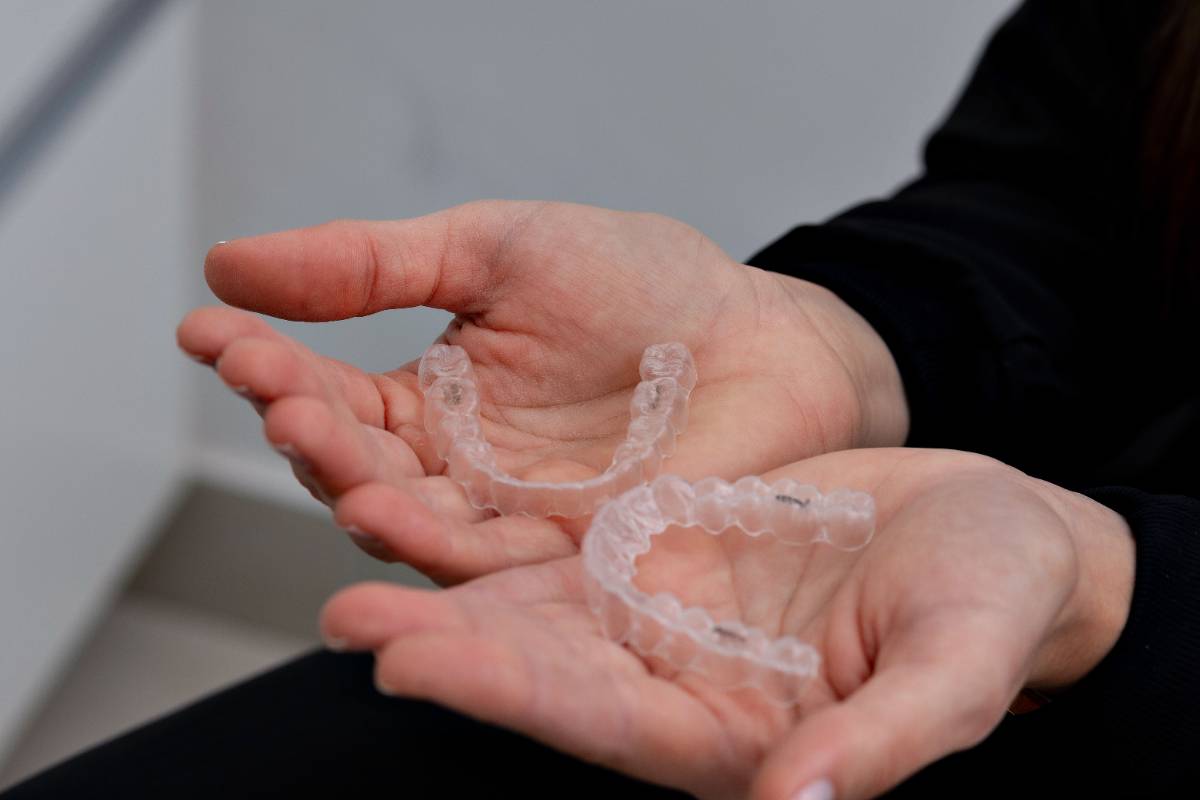
Fortunately, a custom night guard cushions the joint and redistributes that force. At Northwest Family Dental, we craft appliances that fit your bite precisely. Consequently, patients often wake with less soreness within the first few weeks. Furthermore, protecting your enamel now preserves your oral hygiene and periodontal health for years ahead.
Protecting Young Athletes and Active Smiles
Sports season introduces a different risk. Specifically, a blow to the jaw or a fall can strain the temporomandibular joint and chip or loosen teeth. Therefore, a properly fitted athletic mouthguard cushions impacts and shields both the teeth and the joint beneath them.
According to the Canadian Dental Association, custom-fitted mouthguards offer superior protection compared with generic drugstore versions. Additionally, the Ontario Dental Association encourages families to prioritize protective dental gear during athletic seasons. Consequently, pairing a mouthguard with routine checkups gives active families genuine peace of mind.
Why Choose TMJ Care Under One Roof in London, ON
Northwest Family Dental sits at 1600 Hyde Park Rd. in London, Ontario, and we keep advanced care in-house. Therefore, you avoid referrals and extra travel when your symptoms call for deeper evaluation. Furthermore, our evening hours on Mondays and Wednesdays and two Saturdays each month suit busy back-to-school schedules.
Our patient-first team takes time to explain every finding. Additionally, we follow up after treatment because lasting relationships matter to us. You can review our full range of treatments on our services page to see how comprehensive care supports your whole family.
When to Book an Appointment
Book an evaluation whenever jaw pain lingers beyond a few days or interferes with eating and sleeping. Moreover, recurring headaches, locking, or persistent clicking deserve professional attention. Early intervention typically means simpler, more conservative treatment.
Following Royal College of Dental Surgeons of Ontario standards, our team assesses your bite, joint function, and muscle tension carefully. Consequently, we build a personalized plan that may include a night guard, targeted restorative care, or ongoing monitoring. Ready to protect your smile this season? Reach out through our contact page to schedule a visit.
Frequently Asked Questions
What are the earliest TMJ disorder symptoms?
The earliest signs usually include jaw clicking, morning soreness, and mild temple headaches. Additionally, some patients notice a tired feeling in the jaw after chewing. Recognizing these signals early makes treatment simpler.
Can stress from back-to-school season trigger TMJ pain?
Yes. Heightened stress increases clenching and nighttime grinding, which strain the joint. Consequently, many London families notice more jaw discomfort during busy fall schedules.
Do mouthguards help with TMJ problems?
A custom night guard eases grinding-related strain, while an athletic mouthguard shields the joint during sports. Therefore, the right appliance depends on whether the issue stems from grinding or impact.
How is TMJ disorder treated at Northwest Family Dental?
We begin with a thorough exam of your bite and joint function. Depending on the findings, treatment may include a custom night guard, restorative care, or continued monitoring. Furthermore, everything happens under one roof in London, ON.