
That subtle click when you open your mouth, the dull ache near your ear, the morning jaw stiffness that never quite fades — these small signals often add up to something bigger. Recognizing TMJ disorder symptoms early is the difference between a quick, comfortable fix and years of unnecessary discomfort. Fortunately, patients in London, ON now benefit from technology that makes diagnosis faster, gentler, and far less intimidating than it once was.
What Is TMJ Disorder, and Why Do Symptoms Get Missed?
TMJ disorder affects the temporomandibular joint, the hinge connecting your jaw to your skull. Consequently, when this joint becomes strained or misaligned, it can trigger surprisingly wide-ranging discomfort. Many patients overlook the early signs because the symptoms mimic other conditions, such as tension headaches or ear infections.
Furthermore, TMJ pain often builds gradually. Specifically, a habit like nighttime clenching may cause micro-damage for months before you notice it. Because the warning signs are easy to dismiss, professional evaluation matters. According to the Canadian Dental Association, ongoing jaw discomfort should always be assessed by a dental professional.
The Most Common TMJ Disorder Symptoms to Watch For
While every case differs, certain patterns appear repeatedly. Additionally, recognizing these clusters helps you describe your experience accurately during an appointment.
- Jaw pain or tenderness, especially when chewing or first waking up.
- Clicking, popping, or grating sounds when opening or closing your mouth.
- Frequent headaches or facial pain that seem to radiate from the temples.
- Limited jaw movement, or a sensation that the jaw briefly locks.
- Ear-related discomfort, including ringing or a feeling of fullness.
However, no single symptom confirms the diagnosis on its own. Instead, dentists look at the full picture, combining your history with clinical findings.
How Modern Technology Makes TMJ Diagnosis Comfortable
Diagnosing TMJ disorder today relies far less on guesswork. Specifically, digital imaging and precise bite analysis let our team see joint stress that older methods simply missed. At Northwest Family Dental, we use advanced diagnostic tools including X-rays and digital imaging to map exactly how your jaw moves and where the strain originates.
Moreover, these technologies reduce the time you spend in the chair. Digital scans are quick, quiet, and require no uncomfortable impressions. Consequently, anxious patients find the entire process far easier than they expected. Because comfort drives everything we do, we explain each step before we begin.
Anxiety-Free Care for Nervous Patients in London, ON
Dental anxiety keeps many people from addressing jaw pain until it worsens. Therefore, we prioritize a calm, judgment-free environment at our Hyde Park Road office. For patients who need extra support, we offer sedation options that keep you relaxed throughout longer appointments.
Additionally, our dentists take time to answer questions and follow up after treatment. This patient-first approach, praised by families who have stayed with us for over a decade, turns a potentially stressful visit into a reassuring one. Following RCDSO standards for patient safety, we tailor every plan to your individual comfort level.
Treatment Options Once TMJ Is Confirmed
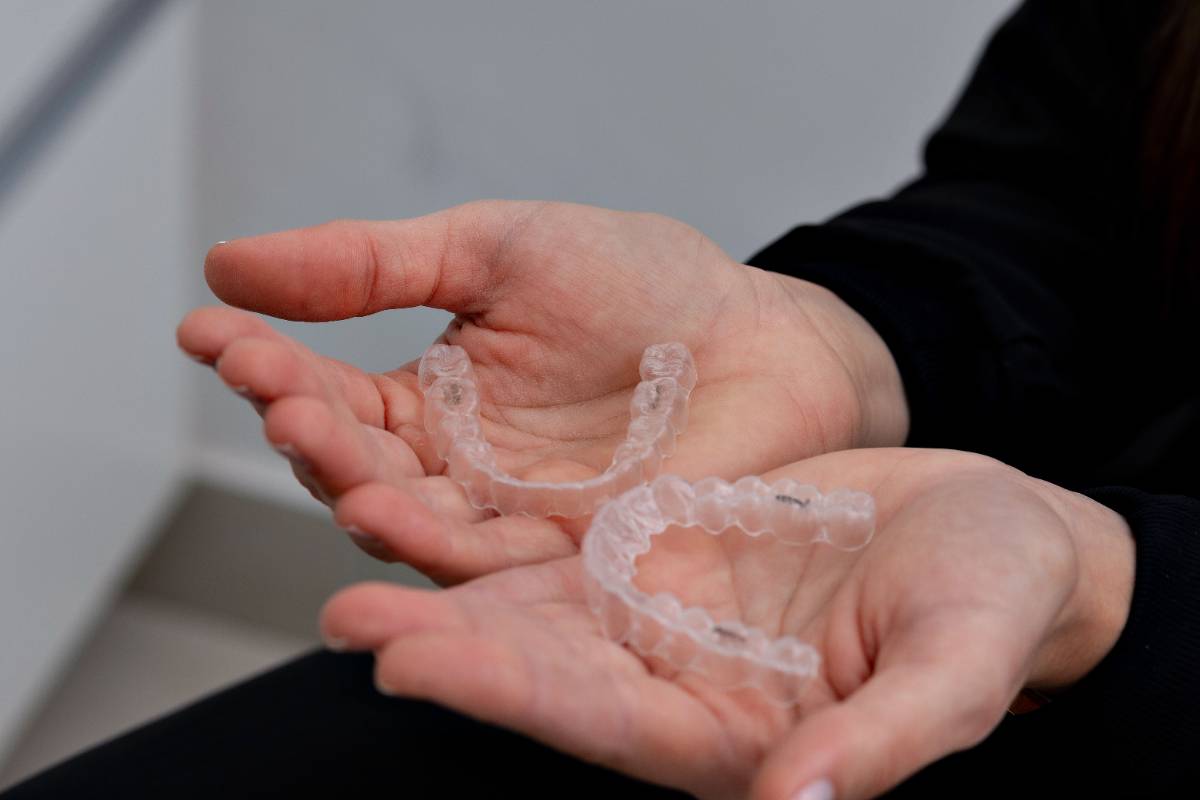
Effective TMJ treatment begins with an accurate diagnosis, then moves toward the least invasive solution first. For instance, many patients benefit from custom night guards that ease grinding and protect the joint while they sleep. Because we handle TMJ disorder treatment in-house, you avoid referrals and extra travel.
Furthermore, we address related concerns like bruxism and bite alignment under one roof. Consequently, your care stays coordinated and consistent. Whether your symptoms are mild or advanced, our team builds a plan around your daily life, your budget, and your comfort.
Frequently Asked Questions
Can TMJ disorder go away on its own?
Mild cases sometimes improve with rest and stress reduction. However, persistent jaw pain, clicking, or headaches warrant a professional evaluation. Early assessment prevents the joint strain from worsening over time.
Is diagnosing TMJ painful?
No. Modern digital imaging and gentle bite analysis are quick and comfortable. Additionally, we offer sedation options for anxious patients, so the process stays stress-free.
What causes TMJ disorder symptoms?
Common causes include teeth grinding, jaw clenching, stress, injury, and bite misalignment. Consequently, treatment often targets these underlying habits alongside the joint itself.
How soon should I see a dentist about jaw pain?
Book an appointment if discomfort lasts more than a week or interferes with eating and sleeping. Furthermore, sudden jaw locking should be assessed promptly.
Take the Next Step Toward Relief
Ignoring jaw discomfort rarely makes it disappear. Instead, early recognition and modern, comfortable diagnostics put you back in control. If you notice any TMJ disorder symptoms, our London, ON team is ready to help with compassionate, technology-driven care. Contact Northwest Family Dental today to schedule your evaluation.